
What to Check and What Expenses to Prepare When Buying a Second-Hand House Before Paying a Deposit and Transferring Ownership
A checklist for buying a second-hand house, from checking the seller, title deed, access, and house condition to separating 4 budget categories, checking transfer-day expenses, and the conditions of the 0.01% measure

Summary
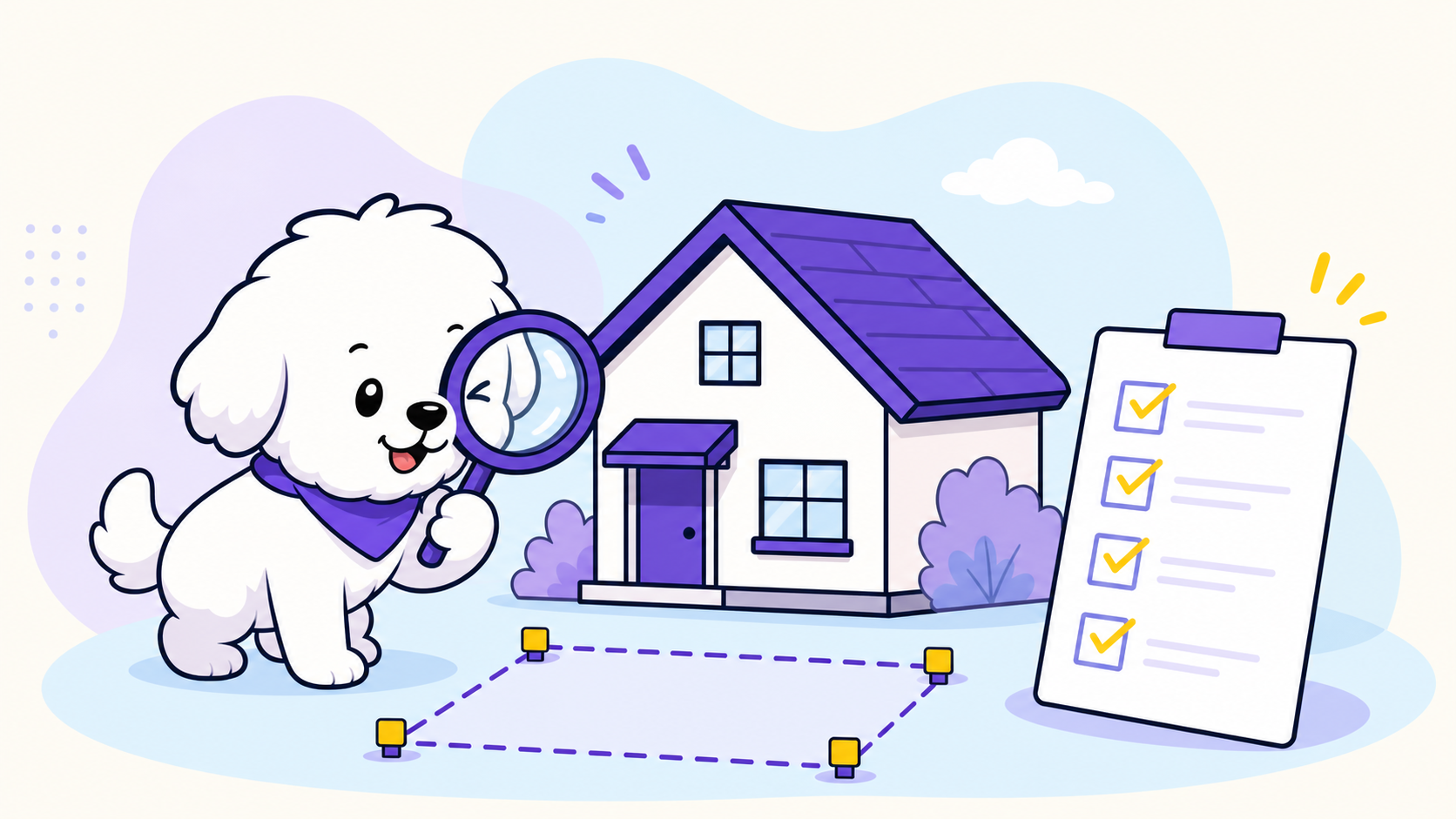
Do not start by rushing to pay money. Separate the checks into 3 stages and the budget into 4 categories: money before transfer, loan or professional fees, registration-day expenses, and money after receiving the house. Actual figures must come from the contract, quotations, financial institution, and Land Office. If key information or responsibility for expenses still does not match, stop first.
Separate the checks into 3 stages
The first stage is before arranging a viewing, to screen whether the seller, property, and location meet your requirements. The second stage is before paying money, to check title documents, house condition, repair items, and contract wording. The final stage is before transfer, to confirm the latest information, amounts, and items that must be delivered.
Passing one stage does not mean the next stage is also passed. Listing photos, the seller's statements, an appraisal result, or a loan approval result should not replace checking documents and the house condition at the appropriate time.
Before arranging a viewing, request seller information and a copy of the title deed
Request a copy of the title deed and the seller's name before arranging a viewing, then check whether the registered owner's name matches the seller. If the contact person is an attorney-in-fact or a juristic person, request documents showing the signatory's authority as well.
The Thailand Consumers Council recommended on 21 June 2025 that buyers check the owner's name and registration entries on the back of the title deed, including comparing the copy with the original title deed. Checking a copy is only a starting point. Information that affects the purchase should be checked in its latest version with the responsible Land Office.
Before paying money, check the land, access, and encumbrances
Use the title deed number to check the location and plot shape initially, then compare them with the house, actual access, fence, and visible structures. The Department of Lands states that LandsMaps can be used to search for location, plot shape, and preliminary details; therefore, online images should not be used in place of title documents or checking at the Land Office.
Ask clearly how the house accesses a public road, whether there is a right of way through another person's land, and whether any registration entries affect use or transfer. If access, boundaries, or encumbrances cannot yet be explained, stop before paying money and ask the Land Office or a professional to check the specific facts.
Inspect the actual house and separate issues requiring professional review
The Real Estate Information Center recommends inspecting the actual house and not deciding from photos alone. Areas to inspect include the roof, ceiling, floors, stairs, walls, water system, and electrical system. Test only what can be tested safely and record the condition with photographs dated on the inspection date.
If you find cracks, subsidence, leaks, a burning smell, an abnormal electrical system, or areas the buyer cannot assess independently, an appropriate technician or engineer should inspect and assess repair methods before agreeing on the price. Do not estimate repair costs from photographs or statements alone.
Put the repair list and delivered items in writing
Separate the items into three groups: items the seller must repair before transfer, items the buyer accepts as-is, and items requiring further professional inspection. Each item should state the location, issue found, acceptance inspection method, and completion date, with photographs attached that both parties understand in the same way.
Also specify what is included in the sale, such as air conditioners, water heaters, water pumps, water tanks, furniture, keys, remotes, and warranty documents. Writing “ready to move in” or “everything included” without an itemized list is still insufficient for acceptance inspection.
Ensure the contract matches the people, property, money, and conditions
Before signing, check the contracting parties' names, title deed number, location, price, payment amounts and dates, transfer date, responsibility for each expense, delivered items, repairs to be completed, and the consequences if either party fails to comply with the agreement. The Real Estate Information Center states that seller information, property details, payment terms, expenses, and consequences of breach are matters that should be checked in the contract.
If financing is needed, write conditions relating to the loan approval result and money already paid according to the actual agreement. Do not insert a booking-deposit percentage, loan period, or legal assurances from general examples, because the outcome depends on each contract, seller, buyer, and property.
Separate the budget for buying a second-hand house into 4 categories before agreeing on the price
The first category is money before transfer, such as a booking payment, earnest money, or money under the contract. The second category is expenses from financing and professionals, such as collateral appraisal fees, house inspection fees, or related insurance premiums. The third category is registration-day expenses, and the fourth category is money after receiving the house, such as repairs, moving, changing locks, or adjusting systems identified during inspection.
Do not use standard figures from general articles for the first, second, and fourth categories. Use the amounts in the draft contract, quotations, and actual service-provider terms, then make a table with at least 6 columns: item, calculation basis or quotation, amount, charging party, responsible party, and payment date. This shows that funds ready for transfer are not merely the difference between the house price and loan amount.
Transfer-day expenses must separate fees, taxes, and agreements between the parties
The Department of Lands guide separates registration fees from withholding income tax, specific business tax, and stamp duty. The normal transfer-fee rate is the assessed capital value multiplied by 2%, while the mortgage fee is the mortgage amount multiplied by 1%, capped at no more than 200,000 baht, unless the transaction qualifies for a reduction in effect on the registration date.
Some taxes are calculated from the seller's information and status, but the parties may agree on who bears the economic burden of each item. You should therefore request an itemized list from the Land Office and state the responsible party in the contract. Do not group everything under “split transfer costs equally,” because this phrase does not state the calculation basis, tax items, or financing expenses.
Check eligibility for the 0.01% fee measure by date and conditions
Thai Government information published on 1 July 2026 states that the measure reducing transfer fees from 2% to 0.01% and mortgage fees from 1% to 0.01% covers both new and second-hand houses and condominiums until 30 June 2027, but this does not mean that every buyer is eligible.
The announced summary of conditions states that the buyer must be a Thai-national natural person, the sale price and assessed capital value must not exceed 7 million baht, and the mortgage amount must not exceed 7 million baht, with the mortgage arising from the transfer on the same occasion. Before calculating the budget, confirm the property type, registration date, price, assessed value basis, mortgage amount, and buyer qualifications with the Land Office, because measures and transaction facts may change.
Before transfer, check the latest information and use stop criteria
Before the transfer date, confirm the Land Office, appointment, original documents, amounts, payment method, and payee. Check the seller's name, property details, and registration entries again, including whether repairs and items to be delivered are complete according to the attachments. Then review the expense table to ensure that the calculation basis, charging party, responsible party, and payment date match the latest documents.
Stop when the seller's name does not match, there is no evidence of signing authority, the title deed or location does not match, access remains unclear, important repairs are unfinished, amounts do not match the contract, or wording is still interpreted differently. Legal, tax, financing, and structural matters that depend on specific facts should be checked directly by the Land Office, a lawyer, a financial institution, or relevant professionals.
Decision checklist
- Request a copy of the title deed and check the owner's name against the seller
- Check the power of attorney or signing authority documents when the seller is not acting personally
- Compare the location, plot shape, access, and actual condition
- Check registration entries and encumbrances with the Land Office
- Inspect the roof, ceiling, floors, stairs, walls, water system, and electrical system
- Have a professional inspect structural or system areas that cannot be assessed independently
- Prepare a repair list and delivered-item list as attachments
- Ensure the contract states the people, property, money, transfer date, expenses, and consequences of breach
- Separate the budget into money before transfer, loan or professional fees, registration-day expenses, and money after receiving the house
- Prepare an expense table stating the calculation basis, amount, charging party, responsible party, and payment date
- Check the conditions of the 0.01% measure with the Land Office based on the registration date and actual transaction information
- Check documents, amounts, house condition, and delivered items again before transfer
- Stop before paying money when key information still does not match
Frequently asked questions
If I already have a copy of the title deed, can I pay money immediately?
You should not decide using a copy alone. You should compare it with the original title deed, check the seller's name, and verify the latest information with the Land Office before paying money, based on the risk of that transaction.
Can LandsMaps replace checking at the Land Office?
No. LandsMaps helps view the location, plot shape, and preliminary information, but information affecting ownership, boundaries, access, or encumbrances should be confirmed with the Land Office.
Must a professional be hired to inspect every house?
This article cannot decide on the buyer's behalf, but a professional should be used if structural issues, electrical systems, water systems, leaks, or areas arise where the buyer lacks sufficient knowledge to assess damage and repair costs.
If the loan is approved, does that mean the house and documents have no problems?
That conclusion cannot be made. A loan approval result does not replace checks of the seller, title documents, access, contract, house condition, and items to be delivered.
What should I do if listing information does not match the title deed or actual condition?
Stop before paying money. Request verifiable documents and explanations, then amend the details in the contract and attachments so they match. If it is still unclear, a relevant authority or professional should check it.
What expenses must be prepared when buying a second-hand house?
Separate them into 4 categories: money before transfer, loan or professional fees, registration-day expenses, and money after receiving the house. Actual amounts must come from the contract, quotations, financial institution, and Land Office. Standard figures from general articles should not replace items for the actual transaction.
Does every second-hand house buyer receive the 0.01% fee rate?
No. Thai Government information as of 1 July 2026 states conditions concerning the buyer's nationality, property type, sale price, assessed value, mortgage amount, and the date the measure applies. Qualifications and actual amounts must therefore be confirmed with the Land Office before the transfer date.
Sources
- Thailand Consumers Council: How to check the owner's name and entries on the back of the title deed before buying a second-hand house, published 21 June 2025
- Trat Provincial Land Office, Department of Lands: LandsMaps service and preliminary land-information checks, checked 31 July 2026
- Real Estate Information Center: Points to inspect when buying a second-hand house or condominium, checked 31 July 2026
- Department of Lands: Guide to fees, taxes, and duties for registration of rights and juristic acts, checked 10 August 2026
- Thai Government: Measure reducing transfer and mortgage fees to 0.01% for eligible transactions, published 1 July 2026
Need help narrowing down your options?
Send us your budget, preferred locations and non-negotiable conditions. We will help you create a focused shortlist.